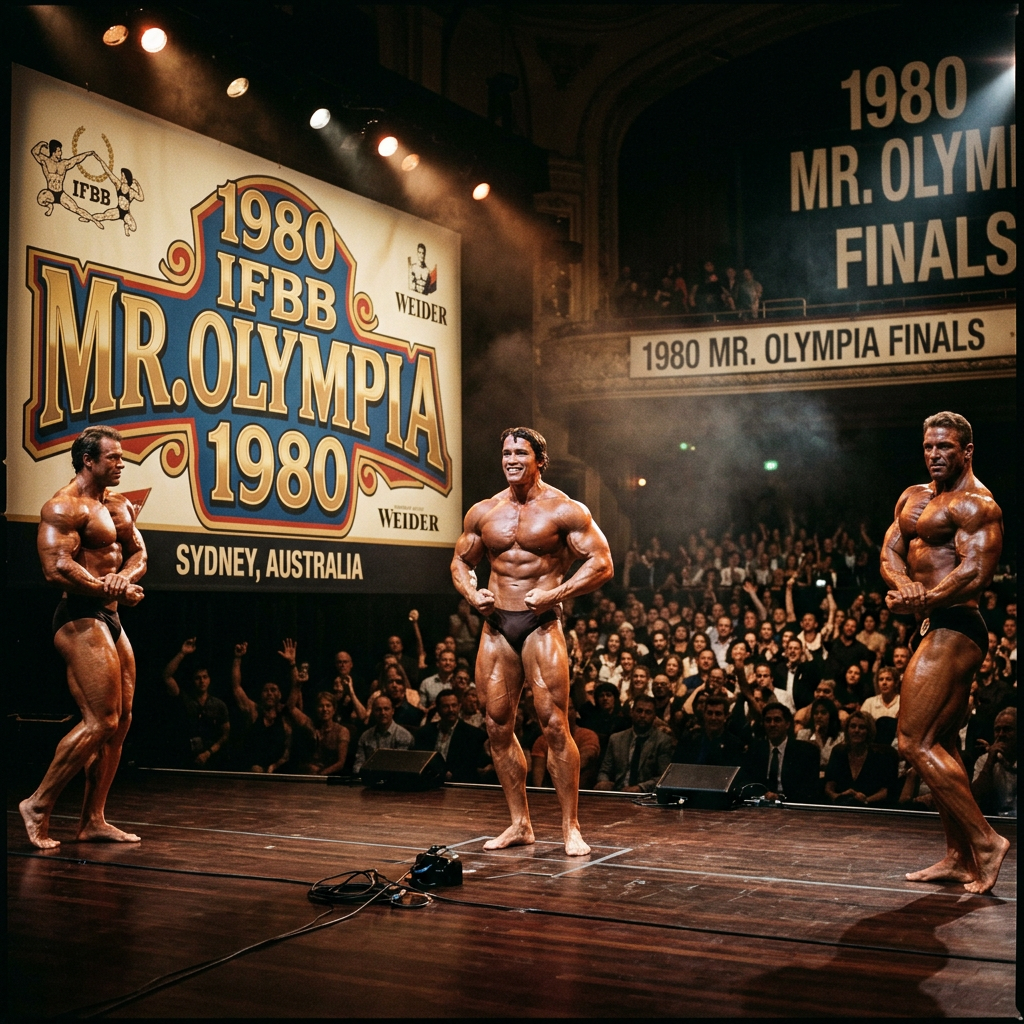
FRANK ZANE T-SHIRT:https://amzn.to/3UeMgpW
The 1980 Mr. Olympia: A Controversial Turning Point in Bodybuilding History
The world of bodybuilding is filled with iconic moments, fierce rivalries, and countless controversies, but few events have sparked as much debate as the 1980 Mr. Olympia contest held in Sydney, Australia. This event marked a significant turning point in the sport, as it witnessed the return of legendary bodybuilder Arnold Schwarzenegger to the stage after a five-year retirement. Despite a limited preparation time of just eight weeks and a body that, arguably, did not measure up to his rivals, Schwarzenegger walked away with the title. This blog delves into the intricacies of the 1980 Mr. Olympia, examining the competitors, the controversies, and the lasting impact of this iconic event in bodybuilding history.
The Road to 1980: A Brief Background
Arnold Schwarzenegger, known for his incredible physique and charismatic presence, retired from competitive bodybuilding after his victory in the 1975 Mr. Olympia. During the years that followed, he pursued a career in acting, eventually becoming one of Hollywood’s biggest stars. However, the lure of competition and the opportunity to reclaim his title as the greatest bodybuilder proved irresistible.
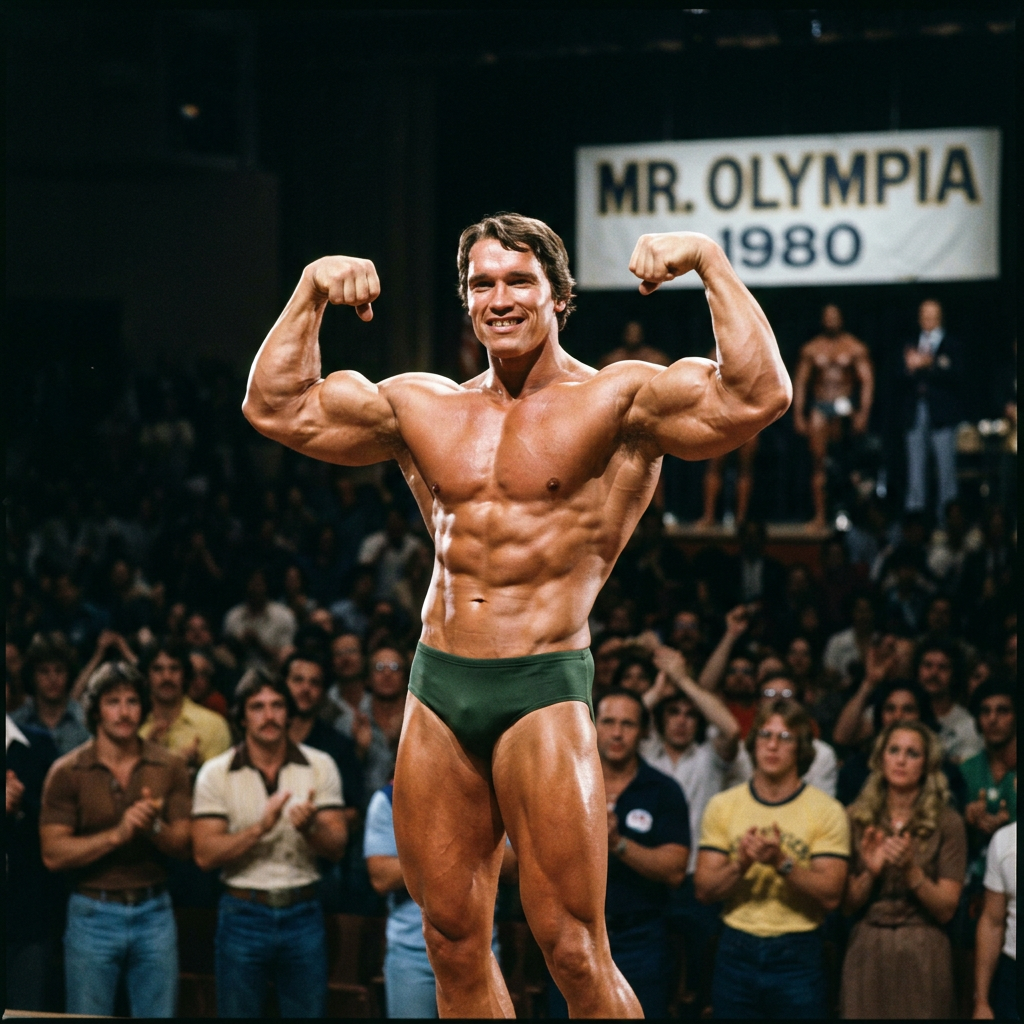
In 1980, as Schwarzenegger considered a comeback, the field of competitors was notably strong. Bodybuilders like Mike Mentzer, Chris Dickerson, and Frank Zane were all in their prime, showcasing impressive physiques that were products of years of dedication. The stage was set for a fiercely contested showdown, one that would ultimately explode into controversy.
MORE ABOUT ARNOLD RIGHT HERE:https://amzn.to/4zAEXJu
The Competitors: Heavyweight Contenders
Mike Mentzer
Mike Mentzer was known for his phenomenal size and condition, employing a high-intensity training method that set him apart from his contemporaries. He had achieved great success in previous contests, including winning the 1979 Mr. Olympia Heavyweight class. With his muscularity and conditioning, many expected Mentzer to take the title in 1980, especially given Schwarzenegger’s long hiatus from competition.
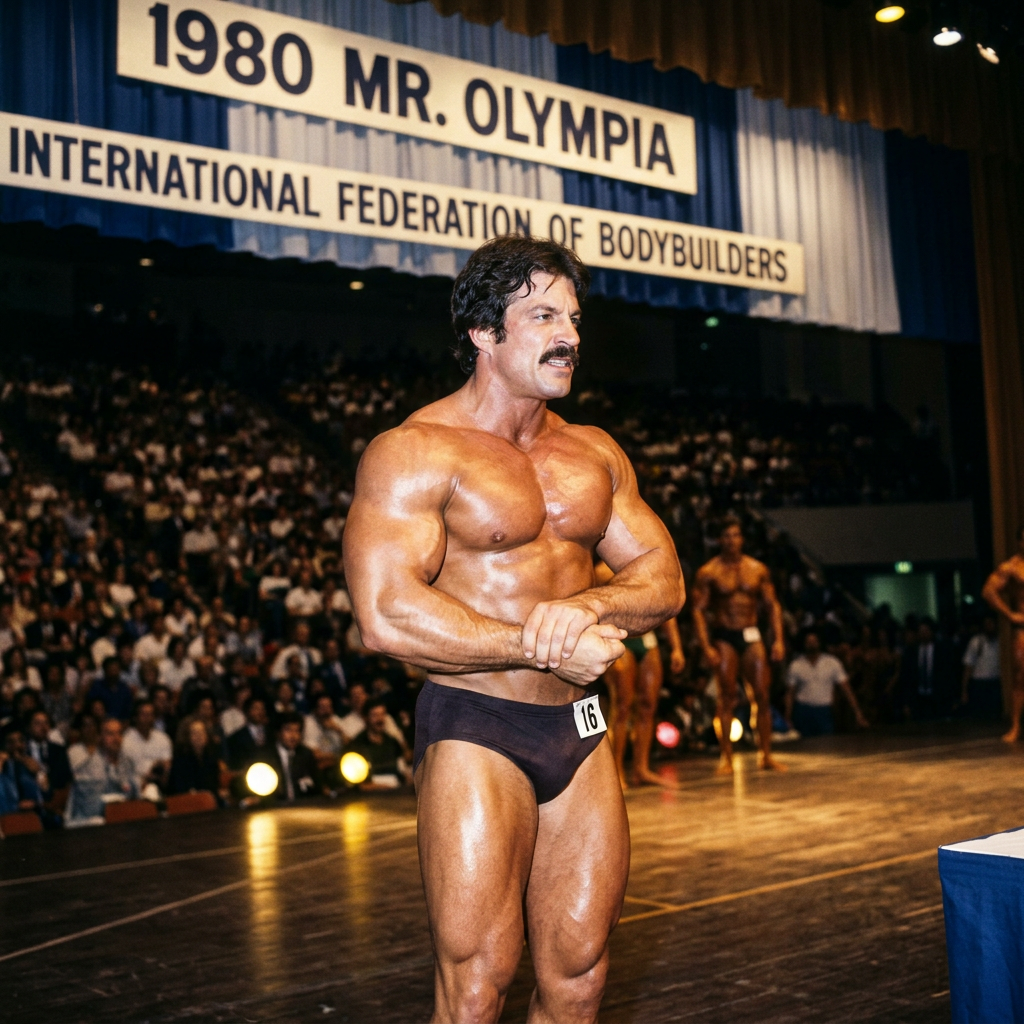
MORE ABOUT MIKE MENTZER’S TRAINING HERE:https://amzn.to/4qvlXrt
Chris Dickerson
Chris Dickerson was another significant contender, gifted with a well-proportioned physique and aesthetics that appealed to the judges. Dickerson had established himself in bodybuilding circles, winning the 1979 Mr. America and 1980 Mr. Universe titles. His dedication to a balanced and aesthetically pleasing appearance made him a favorite among fans and analysts.
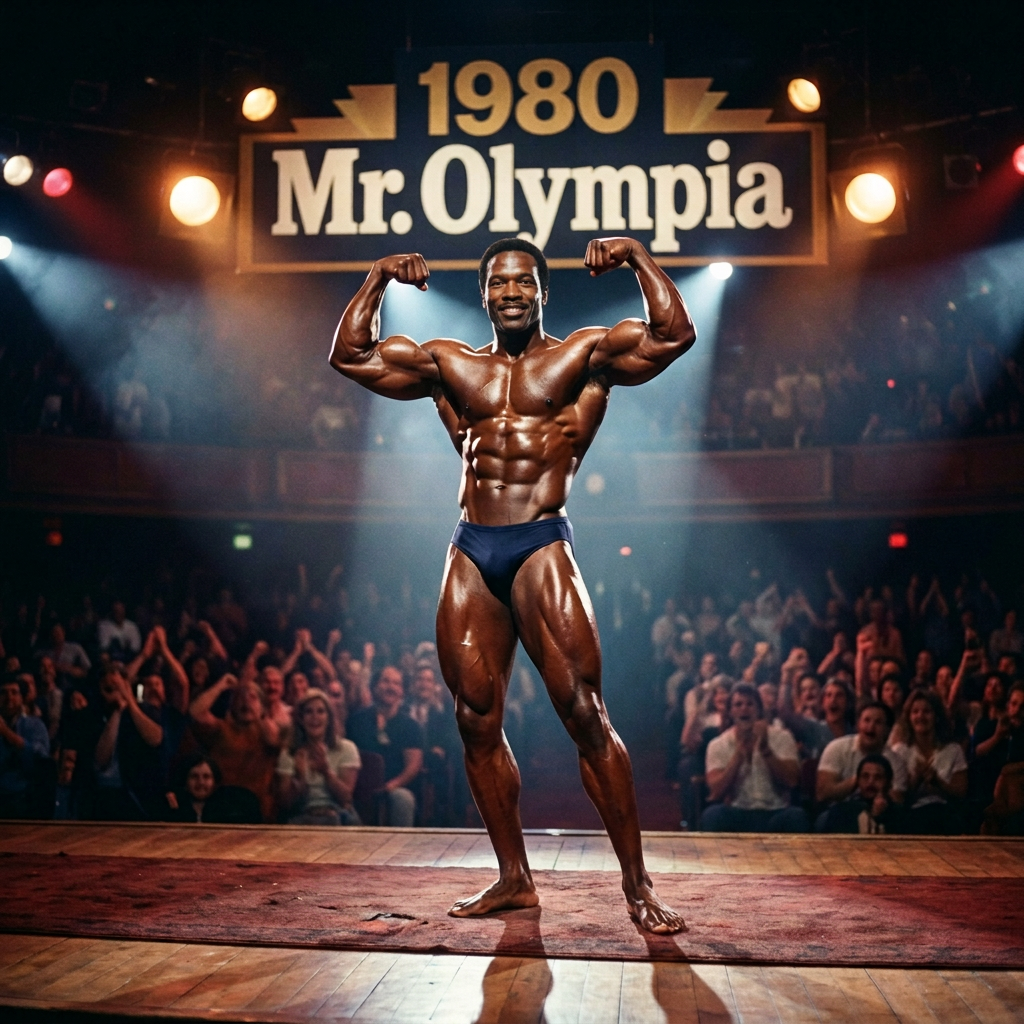
Frank Zane
Frank Zane, the 1977, 1978, and 1979 Mr. Olympia champion, also posed a challenge. Known for his incredible symmetry, proportion, and aesthetics, Zane’s physique was often measured against the ideals of classic bodybuilding. Many considered him a serious contender, especially since he had consistently placed high in previous competitions.
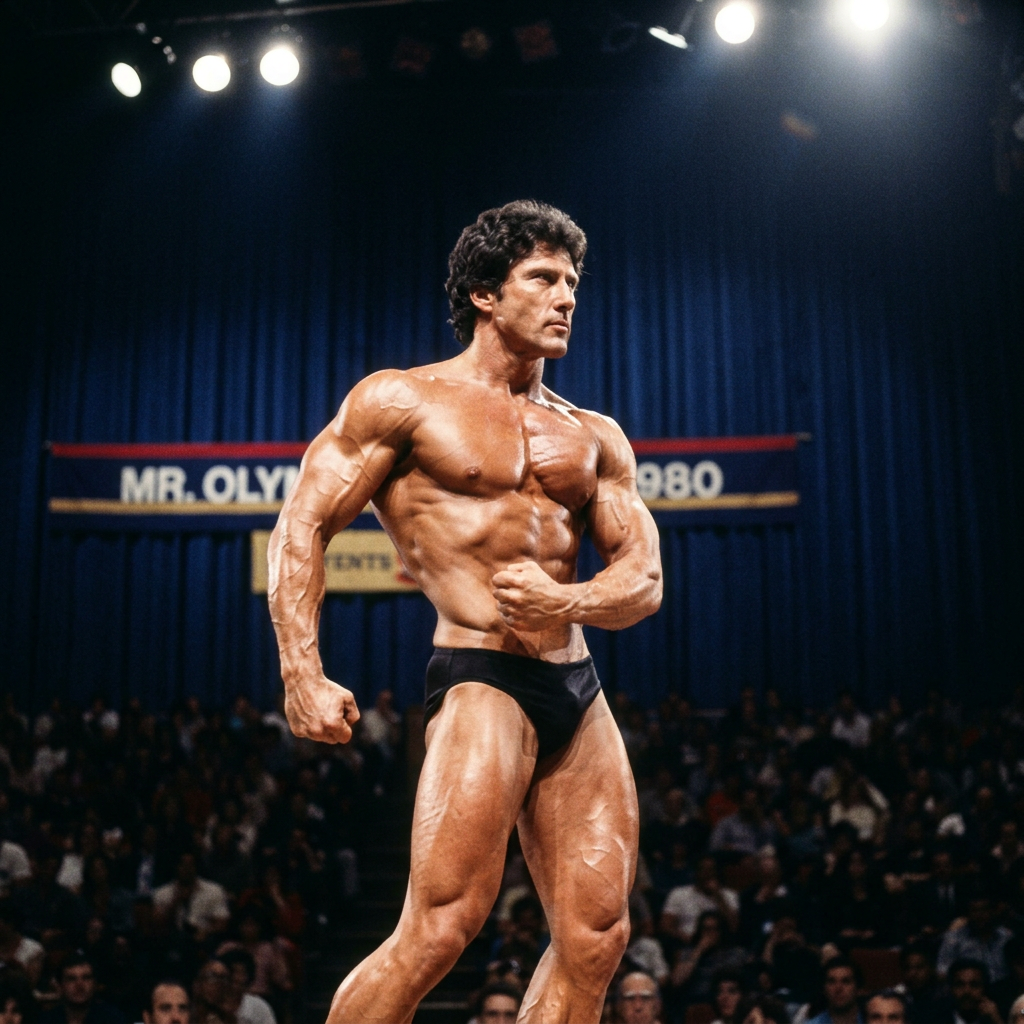
CHECK OUT FRANK ZANE’S BOOKS HERE:https://amzn.to/4qtWzCx
Schwarzenegger’s Comeback: The Build-Up
Arnold Schwarzenegger’s return was met with both excitement and skepticism. He had only eight weeks to prepare, which raised questions about whether he could achieve a competitive physique against seasoned bodybuilders who had been training rigorously for much longer. His decision to enter the Mr. Olympia competition was controversial, with many believing it undermined the commitment and hard work of the other athletes.
In the lead-up to the contest, Schwarzenegger engaged in an intensive training regimen, reportedly using a blend of old-school techniques and motivation to get back into competitive shape. His approach involved focusing on building size while also working on conditioning, but he was resonating with a different caliber of competition than he faced in his prime.
The Competition: A Divided Stage
When the competitors took the stage in Sydney, the tension was palpable. Each bodybuilder displayed their hard-earned physique, with strong performances from Mentzer, Dickerson, and Zane. Schwarzenegger, with his trademark charisma and stage presence, was undeniably a crowd favorite, but did he have enough to claim the title?
The judging that day was contentious. Schwarzenegger undoubtedly impressed the audience and judges with his posing routines, and his charisma played a significant role in how the judges perceived him. However, many in the bodybuilding community felt that Mentzer and Dickerson had superior definitions and muscle mass, raising questions about fairness and the criteria being used for judging.
The Decision: Controversy Unleashed
When the results were announced, the audience was stunned. Arnold Schwarzenegger was declared the winner of the 1980 Mr. Olympia, reigniting debates about the integrity of the sport and the judging system. The decision was polarizing; while some celebrated his iconic status and return, others firmly believed that he did not deserve to win given his limited preparation time and less impressive conditioning compared to his rivals.
Critics voiced their discontent publicly. Mike Mentzer was vocal in his disappointment, claiming that Schwarzenegger’s victory represented a flaw within the judging system. This intense scrutiny of the judges and their decision-making process prompted discussions about the need for a more transparent and accountable system in bodybuilding competitions.
The Aftermath: Impact on Bodybuilding
The fallout from the 1980 Mr. Olympia had far-reaching implications for the sport of bodybuilding. The controversy prompted a reevaluation of how competitions were judged, leading to shifts in criteria that reinforced the importance of conditioning, size, and aesthetics while attempting to reduce subjectivity in the judging process. This is evidenced by changes made in subsequent Olympias and bodybuilding contests.
The event also significantly impacted Arnold Schwarzenegger’s career. His return drew massive media attention, elevating bodybuilding’s profile within the sports world. Following his victory, Schwarzenegger remained a prominent figure in bodybuilding, transcending the sport into mainstream culture through his acting career and involvement in fitness promotion.
The controversies of the 1980 Mr. Olympia also influenced future competitors, with many recognizing the importance of commitment to training and the respect owed to fellow athletes. The heated debates surrounding this contest laid the groundwork for a generation of bodybuilders who understood that hard work, dedication, and an appreciation for the sport went hand in hand with competitive success.
Conclusion: A Lasting Legacy
The 1980 Mr. Olympia remains etched in history as one of the most controversial contests in bodybuilding. While Arnold Schwarzenegger’s win marked a significant moment in his career and the sport’s evolution, it also raised vital questions about fairness, preparation, and the essence of competition.
As the bodybuilding community continues to evolve, the lessons learned from this event serve as reminders of the ongoing journey towards objectivity, accountability, and respect for the dedication required at every level of competition. The legacy of the 1980 Mr. Olympia extends beyond the stage in Sydney; it has become a pivotal chapter in the annals of bodybuilding history, inspiring future athletes to strive for excellence while honoring the spirit of competition.
